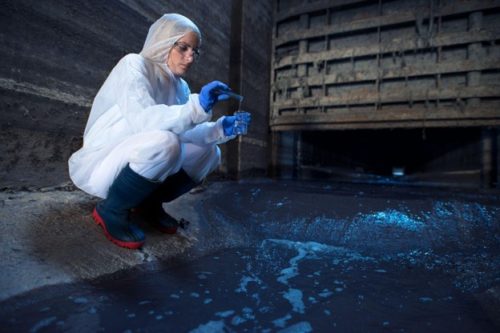
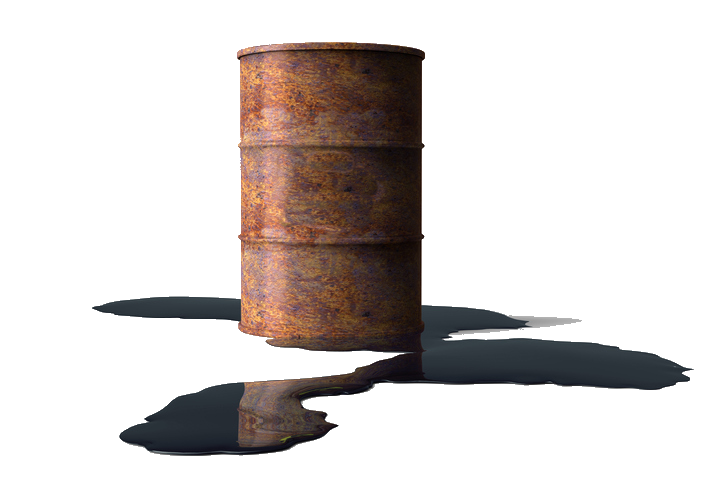
The accidental leak of dangerous substances can happen in a matter of seconds. It’s what’s done after that will determine if things will go really wrong or not. Panic is the enemy. It’s knowing how to stop further harm and prevent injury to those around that’s ideal. Let’s talk about how to respond to a hazardous chemical spill to reduce environmental damage and save lives, shall we?
1. Assess Spill from Safe Distance
The first reaction to a hazardous material spill or leak should be to assess its source, size, and flow rate before coming close. The chemical and its volatility must be determined. The direction of the wind should also be established. A precise study from a distance is essential for a more effective intervention.
2. Alert People in the Area
Notifying all people in the vicinity ASAP is one of the things to do after an accidental spill. In the factory, turn on the alarm and stop all the workers from leaving the premises or put on protective gear. This keeps the people from putting themselves in danger. That way, containment and cleanup can be the primary focus.
3. Call Hazardous Materials Professionals
Another step in the priority list that’s taken almost simultaneously with the two we just cited is getting in touch with the first responders. Identify the substance, the approximate quantity spilled, and the location. Pass on the information. Don’t try containment measures unless done by employees trained for the purpose.
4. Avoid Approaching the Leak
An emergency response for hazardous chemical spills is not to go near the source of the leak. Touching the substance or inhaling the fumes may be harmful. Avoiding contact with a spilled chemical is easy. It’s the toxic gas that’s a bit tricky because one has to move to a higher level and upwind from the leak for protection. While waiting until emergency services arrive, distance must be kept from the danger zone.
5. Evacuate and Isolate
All employees in the spill area must be instructed to leave the workplace and head upwind. A safety perimeter should also be created with somebody manning the entry points. Untrained personnel and curious bystanders must be kept away from the contaminated zone. This quick isolation saves lives.
6. Follow Safety Procedures
No matter how minor the spill, it’s best not to improvise or take shortcuts in how to deal with it. Stick to the procedure: evaluate from afar, evacuate the people, and call the pros in protective gear to do their thing. After all that, containment can follow. This procedure has to be observed, or things can go wrong.
7. Prevent Contamination
Community poisoning is the most critical concern of a spill response. Immediate action has to be taken for the prevention of polluting the soil, water, or air in the locality. Booms and barriers must be set in place to stop the runoff of the leaked chemicals that can spread far into sensitive areas and harm the public.
Staying Smart is Stayin’ Alive
Forget the song that may have just come to mind and focus on how to respond to a hazardous chemical spill. A leak of hazardous material in the workplace can lead to a serious accident unless properly dealt with. Safety is what must come first, and that’s brought about by adhering to the correct procedures. In the event of such an accident, make sure to call on the professionals. Call GreenTech Spill Response at 630-3923-6844.