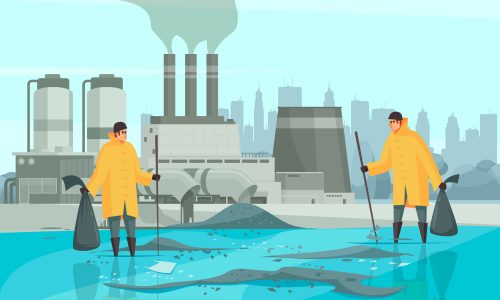
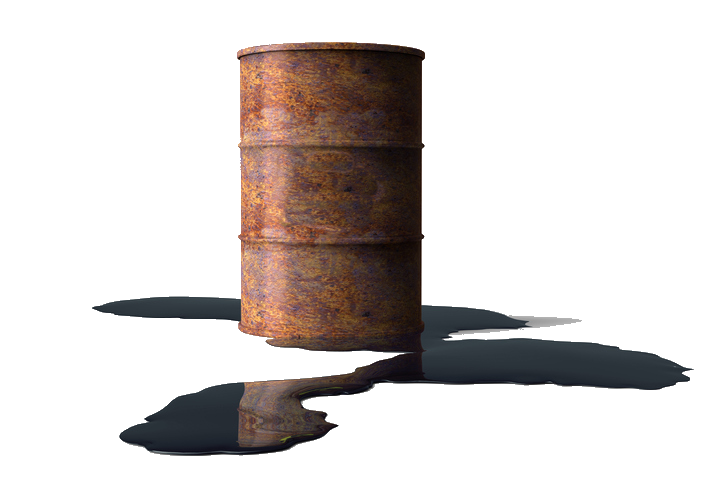
A tidal wave of damage to the environment happens when oil spills into the water. This chemical kills marine life, poisons the ecosystem, and harms the animals and birds it comes in contact with. The harm has long-lasting impacts on the ecology as a whole. Every minute matters when faced with this situation, and dealing with it starts with who is responsible for cleaning up oil spills.
Environmental Cost
1. Immediate Damage to Marine and Coastal Ecosystems
Oil suffocates everything it comes into contact with. Marine creatures are trapped and killed, while the general area that’s been affected is poisoned. Smeared seabirds can’t fly, and even planktons, the base of the food chain underwater, are wiped out. This sticky chemical also destroys beaches and wetlands that serve as vital nursery habitats for flora and fauna.
2. Long-Term Effects on Wildlife and Biodiversity
Toxic elements linger in sediments and make their way into the food chain for years. This results in long-term health problems, infertility, and genetic harm to animals, birds, reptiles, amphibians, fish, and invertebrates. Ecosystems become at risk when their population fails to recover, and this leads to loss of genetic diversity.
3. Water, Soil, and Air Contamination
Ecology, as a whole, is contaminated by an oil spill. Dissolved hydrocarbons poison aquatic life and make the water itself hazardous. The components that remain sink to the seabed or get washed ashore. Moreover, air pollution is produced when fumes evaporate from the slick and are blown where the wind takes them. A cycle of contamination spreads between water, land, and air.
4. Economic and Community Consequences
Oil spills destroy the very foundation of a coastal town and cause severe harm to its economy. The stained beach won’t have tourists visiting for months or even years. There’s also the adverse effects it will have on the lives of fisherfolk and those in aquaculture. Widespread job reduction and identity loss come as a result.
Quick Response
1. Rapid Spill Detection and Response Is Critical
To lessen the effects of an oil leak, an emergency response plan for oil spill is essential. Early detection and quick action before the oil emulsifies are a critical factor for more efficient cleanup. Speed also saves more animals and protects a greater part of the shoreline. Basically, livelihood and miles of habitat are defended when minutes and hours are saved.
2. Delay Increases Damage and Cleanup Costs
Oil spreads over time and contaminates a larger area due to wind and currents. When it eventually mixes with seawater to create a long-lasting “mousse,” it becomes harder to recover. As a result, a. delayed cleanup effort eventually grows in size, complexity, and cost.
3. Technology and Preparedness Lessen Harm
The best safeguards against an oil spill is sophisticated equipment and a ready containment strategy on hand if an emergency happens. Airborne drones and satellite tracking, plus mechanical skimmers, specialized dispersants, and pre-positioned booms will significantly reduce damage. An organized control of the situation can surely contribute to the effort.
Early Action is True Prevention
An oil spill at sea or in a body of water has huge environmental and social costs that ecosystems must bear for many generations. Prevention or rapid reaction as a priority is a must. At the outset, protecting the ecosystem will depend on who is responsible for cleaning up oil spills. Call us at GreenTech Spill Response at 630-392-6844 for prevention plans or prompt action.