


What Businesses Should Do Immediately After a Diesel or Fuel Spill
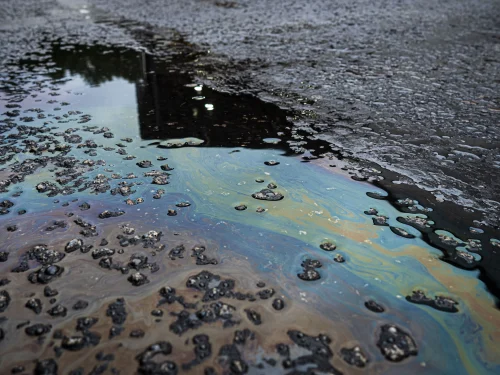
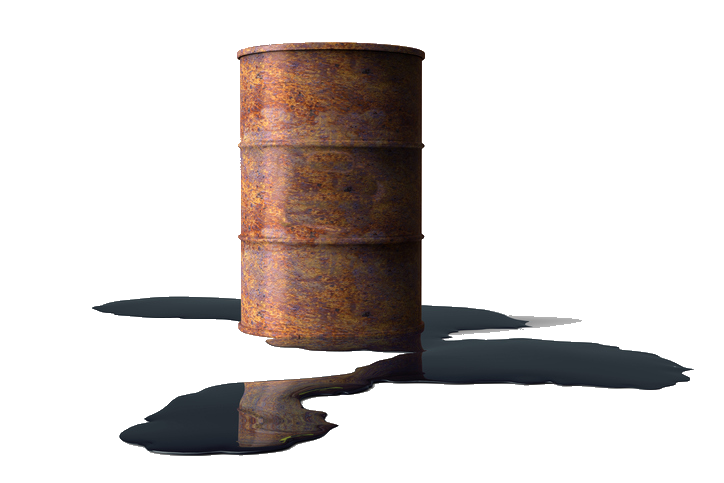
According to the National Oceanic and Atmospheric Administration, as many as 150 aquatic oil spills happen each year in the U.S. This excludes domestic and household oil spills coming from both businesses and residences. Oil spills happen either through the lack of preventative measures or through accidents.
It is also important to highlight the dangers of oil spills; these dangers are caused by the chemical components found in petroleum products. Chemicals such as Benzene are found in petroleum products and are well known to be carcinogens. Not only do oil spills pose damage to humans, but oil spills also cause damage to both the environment and the animals that live in the affected area.
In this write-up, we will discuss what businesses should do after an oil spill happens. This includes who to notify if an oil spill occurs and what is the best way to report an oil spill.
Business Measures Regarding Oil Spills
The Occupational Safety and Health Administration has clear regulations on oil spills for both general business preparedness and response. These businesses include commercial fishing, tourism facilities, shipyards, petroleum facilities, and businesses located near oil pipelines.
Employers are mandated by the government to immediately protect employees from any safety or health hazards that may be caused by an oil spill. Lastly, employers are also mandated to monitor instructions coming from emergency response officials such as the U.S. Coast Guard and the U.S. Environmental Protection Agency if an oil spill is deemed to be an emergency.
HAZWOPER Training
HAZWOPER stands for Hazardous Waste Operations and Emergency Response; this training program is given to workers who are regularly exposed to hazardous waste. The scope of the HAZWOPER training includes raising awareness of hazardous materials, knowledge of PPE and its proper use, and knowledge of emergency procedures.
Why exactly is HAZWOPER brought up in this blog? This training program is an important preventive measure that should be provided to employees by a business before an oil spill happens. Measures like this ensure that there is accountability for both the employer and employee, as this training is federally mandated by OSHA. Providing proper HAZWOPER training also ensures that an effective response is carried out once a fuel spill occurs.
When Should the Authorities be Contacted?
According to the U.S. Environmental Protection Agency, before reporting an oil spill incident, the business must consider the presence of visible sheen created by the spilled oil; it does not depend on the amount of oil spilled in the process, as cited in the Discharge of Oil Regulation, otherwise known as the “sheen rule”. The sheen rule applies when a body of water has a visible sheen or discoloration on its surface, when the discharge reduces applicable water quality standards, and when the oil spill has caused solid matter or sludge to form below the surface of the water.
What Government Agency Handles Oil Spills
Who do businesses notify if an oil spill occurs? Events such as oil spills are considered to be a sudden threat to public health; accordingly, they should be reported to the National Response Center. The NRC handles everything related to hazardous waste and materials spills. If an oil spill occurs, it is generally recommended to call the NRC at 1-800-424-8802. The NRC then activates the National Contingency Plan if the oil spill becomes a national issue and affects a wider area, in comparison to a localized oil spill.
The Best Way to Report an Oil Spill Incident
For individuals, reporting an incident may only include a simple call to the NRC via their hotline. However, for businesses, reporting an oil spill should include more detailed documentation. This should include photographic evidence, eyewitness reports from both the employer and employee, and a proper assessment of the damage caused by the oil spill.
If a facility discharges oil into the environment, the following information is required by the NRC to properly facilitate an oil spill:
- Contact information of the business involved with the oil spill/discharge.
- Date, Time and Location of the Incident.
- Where did the oil spill come from at the facility
- The amount of oil spilled.
- Weather report during the incident.
- Injuries caused by the oil spill incident.
After an oil spill incident is reported to the NRC, the NRC relays the information to the EPA, and an On-Scene Coordinator may be sent to the incident site, depending on the damage caused by the oil spill. However, if the oil spill is minimal, private businesses can mitigate it. A local business can avail the services of a local Environmental Cleanup Contractor; some of these contractors specialize in spill response.
If a minimal and localized oil spill happens at your local business, Green Tech Spill Response offers services such as the evaluation and cleanup of oil spills. For instances when oil spills need to be taken care of promptly and safely, you may contact Green Tech Spill Response 24/7 at (630)-392-6844.