



Why Businesses Need an Emergency Spill Response Plan

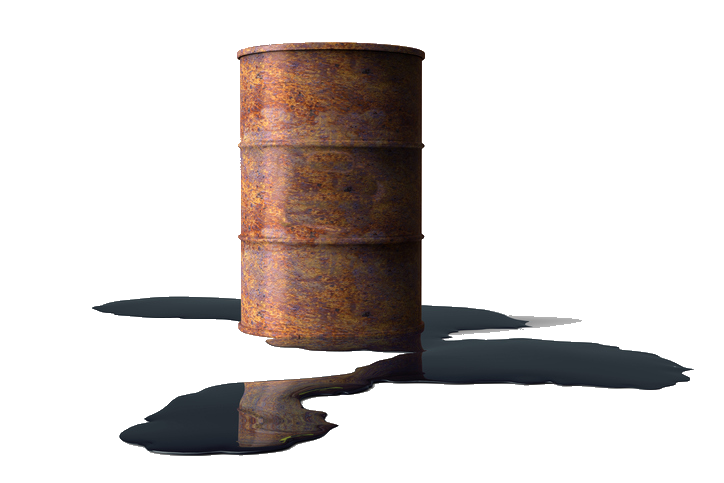
For businesses that store or transport hazardous materials, there’s always the risk of a spill happening in the workplace or during a delivery. It could involve oil or whatever chemical the general public uses. This can harm people, the environment, and the company’s reputation. Let’s talk about chemical safety in the workplace and why companies that handle them need a comprehensive emergency spill response plan.
1. Protect Employees and Customers
An established strategy for dealing with chemical spills is a must for the protection of personnel and patrons in the workplace. Otherwise, their health and safety might be put at risk. A clear plan ensures the workforce knows how to react quickly and contain the spill. It also prevents clients from being exposed to dangerous materials.
2. Prevent Environmental Damage
When there’s a massive discharge of hazardous substances like oil or fuel, they can contaminate soil and pollute waterways. A company will need an emergency spill response plan to mobilize workers and contain the spill quickly. It prevents destructive compounds from spreading and harming the ecosystem. With a tried-and-tested strategy, the response would be fast and the surroundings protected, including the business.
3. Limit Property Damage
Leaks of hazardous materials can ruin inventory and damage the site. Moreover, operations could cease until risks to property is controlled, if not totally eliminated. Without an efficient reaction to spills, greater damage to infrastructure and equipment may happen. With it, on the other hand, physical assets are safeguarded.
4. Meet Safety Regulations
The control measures for chemical hazards that may accidentally leak or spill must be put in place by firms that handle these materials. This is in compliance with government regulations and industry standards. Laws that protect the environment and ensure safety require companies to handle dangerous substances responsibly and report spills promptly. By staying compliant, a business avoids costly violations and protects its reputation.
5. Reduce Business Disruption
An emergency spill response plan will have to be in place if the business expects work stoppage due to an accident not to be prolonged. At best, even with an ongoing spill, the control strategies being done could keep operations in the workplace going. If not, a proper response may at least minimize downtime.
6. Lower Cleanup Costs
Without an established strategy for clearing operations in the event of a chemical spill, the undertaking can spread further and require a more costly cleanup of hazardous materials. On top of that, prohibitive regulatory fines could also be applied to a company that’s in violation of mandated preparedness. An organized cleanup lowers the cost of such an operation and, more importantly, prevents it from becoming a disaster.
7. Respond Quickly to Spills
In a nutshell, an emergency spill response plan guarantees rapid reaction to spills. In the case of poisonous or flammable substances, every minute counts. Stopping the spread of chemicals that could put people and the environment at risk must be done quickly to protect everyone and everything.
Preparation Wins Every Time
A company that handles hazardous materials should always be prepared for the worst and, given the nature of its business, it’s imperative to have an emergency spill response plan in place. Being prepared for an accident even before it happens is cheaper and safer than winging it when it strikes. For more information on how to enforce chemical safety in the workplace, call GreenTech Spill Response at 6300-392-6844.