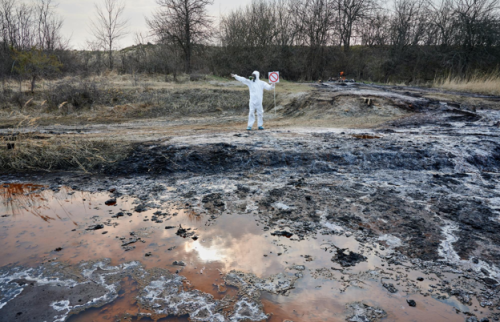
When a hazardous substance leaks in large volumes into the environment, that’s called a spill, whether on land or in a body of water. In such a mess, environmental spill response and mitigation services providers need to immediately contain, clean up, and neutralize the threat before it spreads.
Fast action matters because spills don’t wait. An unchecked leak can poison the soil and groundwater and go to storm drains that flow into rivers or the sea. Simply put, the faster the reaction, the smaller the disaster. Let’s touch on the different kinds of environmental spills and how quick response to it limits damage.
1. Common Types of Environmental Spills
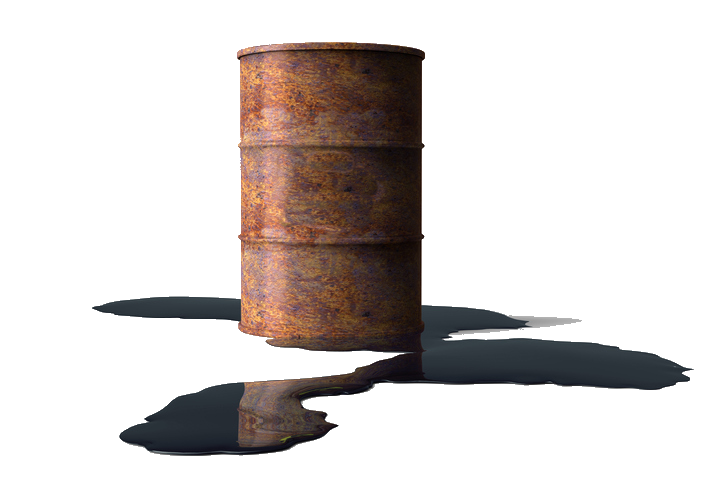
Massive leaks generally fall into three kinds: oil, chemical, and hazardous waste. Oil spills from tankers or pipelines contaminate marine ecosystems and shorelines. Chemical spills, on the other hand, come from toxic substances like pesticides or industrial acids that can poison the soil and water supply.
As for hazardous waste spills, they include lead, mercury or arsenic, and radioactive matter that pose long-term health risks to people. Understanding these different types helps in rapid preparation of countermeasures.
2. The Immediate Risks of Delayed Response
Time lets pollutants spread far beyond ground zero. Because of late action, a larger area of soil, surface water, or groundwater will be contaminated and could dramatically worsen the consequences. This will make control that much harder and the cleanup more expensive, not to mention complex. Furthermore, once it penetrates deeper into the ecosystem, it causes greater harm to the wildlife and plants.
3. How Fast Response Limits Harm
The rapid deployment of containment tools and absorption materials by environmental spill response companies is what saves the day. They make sure the spread of toxic substances and the possibility of their emulsifying are aborted.
Response teams should not only be there right away, but they must be quick in assessing which strategies are most effective to use. With speed as an ally, remediation costs can be reduced considerably.
4. Protecting Public Health and Safety
Immediate action prevents toxic fumes from spreading and reduces fire risks that could affect nearby residents. This explains why it’s imperative to respond to environmental spills quickly. It protects the community from what may be dangerous exposure that could result in serious harm. Acting quickly includes getting in touch with hospitals and emergency services who can wait for victims or send medical assistance ASAP.
5. Reducing Legal, Regulatory, and Financial Consequences
A swift spill response is key to reducing regulatory and monetary penalties that may arise from the accident. Slow reaction may be seen as negligence, and this could result in a legal case or crippling fine. Fast action, on the other hand, can protect a company from damage to its reputation and avoid a public backlash.
With a quick response to an oil or chemical spill, one can be appreciated for exhibiting due diligence and good faith. This could even waive additional penalties and sanctions that would otherwise be considered justified.
Contain It or Explain It
Environmental spill response and mitigation services providers are a company’s guarantee that a catastrophe involving hazardous materials doesn’t get any worse. It’s all about quick response that reduces environmental damage and whatever accountability goes with it. Speed is the quiet savior of the moment. In case you need this kind of assistance for your situation, call GreenTech Spill Response at 630-392-6844.