Robert Swan once said that the greatest threat to our planet is the belief that someone else will save it. We are used to thinking that cleaning our environment is someone else’s job, that we are paying our taxes to have someone do it right. But we are sometimes oblivious to the fact that we are the primary reason our environment continues to suffer the consequences of our negligence. Therefore, instead of thinking that someone else will do it for us, why not become part of the solution?
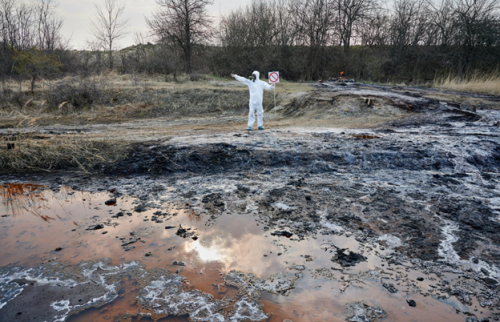
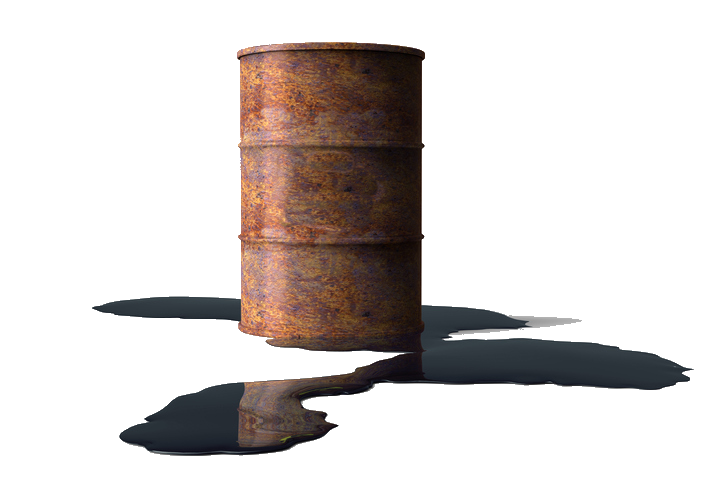
Here’s a heads-up to understand oil spills and the appropriate oil spill response procedures done by professionals:
Oil spills are classified according to their characteristics, therefore falling under five basic groups:
Group 1 (Non-persistent Light Oils)
Group 1 oils include gasoline and condensate, which are highly volatile and are expected to evaporate within a day or two without leaving any residue. They have high concentrations of toxic compounds, so the cleanup process should be carried out with caution due to their high flammability and toxicity.
Group 2 (Persistent Light Oils)
This group includes diesel, fuel oil, and light crudes. They may be of moderate concentration and volatility, but they persist for a few days. Cleanup procedures for this oil type will be effective.
Group 3 (Medium Oils)
About ⅓ of the spill of medium oils is expected to evaporate within 24 hours. However, the consequences may be severe or long-term, especially if it has contaminated intertidal areas. The leak may also impact animals around the affected area. Oil spill response procedures will be effective if done immediately and successfully.
Group 4 (Heavy Oils)
Oils under this group include heavy crude oils, fuel oils, and bunker C. They can heavily contaminate water areas and severely impact animals near the spill location. The cleanup process may be painstakingly difficult.
Group 5 (Sinking Oils)
Group 5 category includes slurry oils and any residual oils. If they are spilled along shorelines, they sink quickly, severely impact animals, and may cause long-term contamination. The procedure may be conducted through dredging.
Essential Steps to Successful Oil Spill Response
Situation Assessment and Alerting Personnel
Every spill response procedure starts with an evaluation. You identify the spill substance and the risks that come with the plan. You evaluate the affected areas and alert the personnel needed for the task.
Appropriate Equipment and Tools
Cleanup processes are often risky. Consider oil spills and hazardous containment missions that require advanced PPE, including water-resistant gloves, respirators, face shields, goggles, and more.
Securing the Area, Spill Containment, and Disposal
Alert the affected area, especially if there are people nearby. Prioritize the people by ensuring a quick evacuation, especially if the spill is highly toxic and flammable. Isolate the spill zone with the right tools to prevent more contamination. Use absorbent materials, such as socks, pads, booms, and human hair, to contain the spill successfully without leaving any residue. Dispose of the collected materials through standard industrial waste channels.
Spill Report and Documentation
Document the process without omitting any small details. Documentations offer a clear, organized, and detailed record of the successful handling of the spill.
Are you ready to become a part of the solution? Contact the best oil spill cleanup response team, GreenTech Spill Response. Become an oil spill service provider and come up with a reliable oil spill response plan by reaching out to us at 630-392-6844.