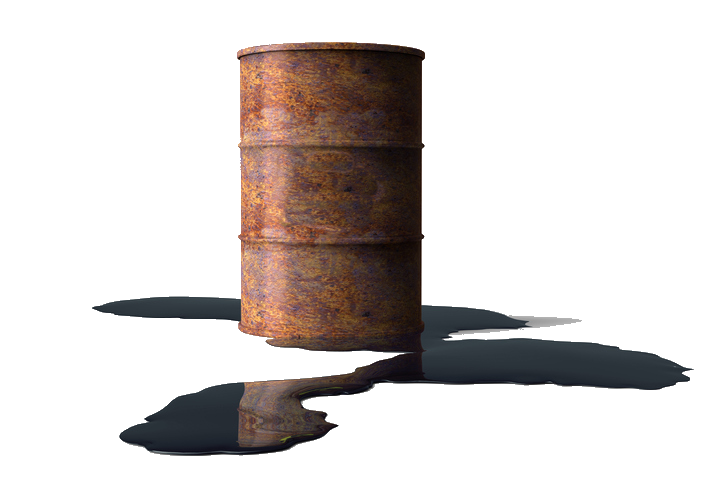
If you’re asked to picture in your mind an overwhelming man-made catastrophe that we can be plagued by, a shoo-in for it would easily be a massive oil spill. Imagine an eerie black sheen on the water’s surface that’s choking the marine life below and the wildlife that it’s creeping toward on the coast.
Sadly, if one considers what solutions to oil spills are, most of these traditional techniques are cumbersome, to say the least. There are, however, new technologies to deal with such disasters. Let’s talk about these futuristic concepts that may sound mind-boggling but have already been proven achievable.
- Magnetic Separation
Making the oil magnetic and getting it absorbed by a material made for the purpose is a novel technique for cleaning up oil spills. Compared to the conventional ways, this technology offers a high oil recovery rate and the ability to reuse both the oil and the magnetic particles after setting them.
A nanotechnology application, it can swarm the water’s surface with nanosponges or magnetic nanoparticles that will attach themselves to hydrocarbon molecules and be easily collected after. It’s a thorough method for minimizing oil spill damage in the future.
- Bioremediation
Bioremediation is a method of introducing bacteria that disintegrate hydrocarbons in a contaminated area and render oil safe, rather than depending only on mechanical techniques to contain and gather them. This minute crew developed by biotechnology can break down the spilled chemical into carbon dioxide and water. It’s a microbial treatment that can target pollution by utilizing nature’s own purification processes.
- Autonomous Sailboat Skimmers
One of the new oil spill containment solutions is the use of autonomous sailboat skimmers. The strategy needs hydrophobic materials and AI-driven navigation to effectively gather oil without requiring direct human input in the process.
These unmanned vessels can lower the dangers and expenses involved in responding to oil spills by utilizing oil sensors and remote-control systems. It makes the operation quicker and more efficient than the traditional techniques already in use.
- Modern Mechanized Recovery
Oil spill response will become a highly automated and efficient process in the future, thanks to a cutting-edge salvage operation that has started to become standard. It’s a system that deploys aerial and aquatic drones to survey an oil spill and gather data on its thickness and its extent to calculate the response needed. With this armada, the said accident can be dealt with, sans the physical presence of any human.
- Eco-Friendly Alternatives
This part discusses eco-friendly substitutes to the traditional energy source as a modern-day remedy to the problem of oil spills. It’s about the far-off in the distant future solution of replacing the resource it comes from completely. A global transition to green alternatives is the long-term ambition.
The dependency on offshore drilling and oil transport would be significantly reduced if alternative sources like solar, wind, and the next-generation geothermal have started to come of age. The demand for petroleum and the risk of oil spills would then decline concurrently with the said development.
Turning the Tide with Technology
And so goes our presentation on what are solutions to oil spills that the technological revolution in the field has brought about. The fight against oil spills now has sustainable cleanup strategies in its arsenal that can replace the methods of the past. To get in touch with the professionals, call
630-392-6844.