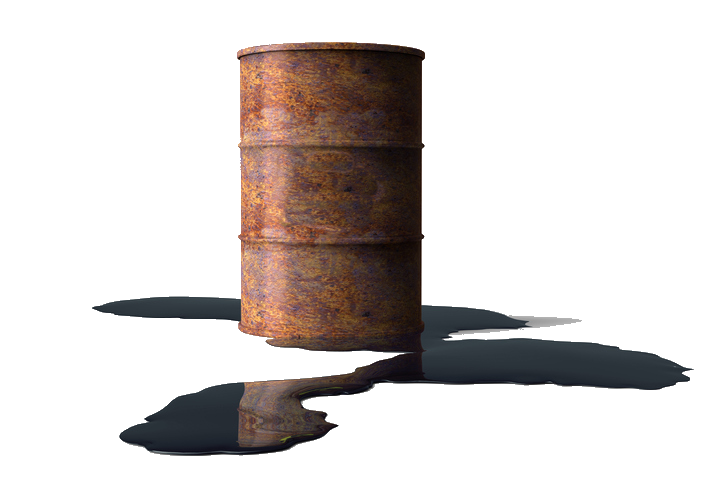
When tankers, pipelines, or storage facilities accidentally release oil into the environment, this can have terrible impacts on wildlife and communities. Depending on the kind of chemical and spill site, different responses are required. These primary categories of hazardous materials, why oil spills happen, and the ways to handle them are what we’ll examine in this article.
1. Crude Oil Spills
Some oils can naturally evaporate or disperse, while others might linger in the environment for years. The latter requires major cleanup. It’s important to implement strategies that meet spill behavior and its effects on the environment. Reducing the harm of these catastrophes needs quick reaction and advanced technology.
What to Do: Use booms for containment, while skimmers are for removing oil from the water. Dispersants that transform oil to small droplets are effective in deep ocean situations to protect coastlines. There’s also the use of bioremediation that speeds up oil’s breakdown by using microorganisms to consume the chemical.
2. Refined Oil Spills
Spills of diesel, gasoline, and kerosene could happen as a result of leaks from a storage tank or ship and auto accidents. Flammability and toxicity are their basic characteristics. They spread fast on water and this worsens the harm they can do. Refined oils evaporate fast but leave behind toxic residues.
What to Do: Using booms and absorbent materials for immediate containment is crucial. Vapor suppression methods such as spraying foam can be effective. Another way is collecting the spilled substance. Remediation is also employed to treat contaminated soil.
3. Lasting Oil Spills (Bunker Fuel)
Bunker fuel is a thick residue from the oil refining process that is used in large ships. When the topic of what are oil spills is talked about, this heavy oil is considered as one that’s dangerous to the environment. Its tar-like consistency makes it difficult to collect or disperse and it can suffocate marine life and the coast.
What to Do: High-pressure jets of hot water are used to remove oil from the beaches. Manual removal using shovels and vacuums to gather the oil is also practical for cleanup. Out in the water, dispersants are employed to break up oil slicks and biodegradation agents are added for long-term cleanup.
4. Non-Petroleum Oil Spills
Although non-petroleum oils, like palm oil, soybean oil, and synthetic lubricants, are seen as less harmful than petroleum, they still present serious environmental risks. They are biodegradable but they deplete oxygen in aquatic environments. When they coat animals, it could cause suffocation or hypothermia.
What to Do: Absorbent materials that can soak up oil is a strategy for it. Another is using pumps and skimmers to collect oil from the water. Furthermore, allowing natural breakdown through microbial action is a crucial tactic as it allows the oil to degrade over time.
5. Underground Oil Spills
Pipeline leaks and storage tank failures are environmental disasters because oil may leak under the soil and pollute the groundwater undetected for a long period. These spills can have major repercussions that endanger human health and the ecosystem.
What to Do: Affected soil is removed during excavation and the groundwater must undergo the Pump-and-Treat system to ensure it’s safe. Bioventing introduces air into the soil and helps with the natural breakdown of substance. Finally, chemical stabilization may be used to solidify the oil and aid in its collection.
From Crisis to Control
Oil spills vary in behavior and environmental impact. This requires customized response strategies. Some may evaporate or disperse naturally, while others could persist for years. Knowing why oil spills happen could be the first step to an improved spill preparedness that may be established. For any emergency that may arise, call GreenTech Spill Response at 630-392-6844.